

Musculoskeletal Joint & Soft Tissue Injections
Private joint injections for fast, effective pain relief.
Struggling with joint pain, arthritis, or soft tissue injury? Our clinic in Manchester offers expert-led private steroid injections, including steroid (cortisone injections) and hyaluronic acid injections, to help reduce inflammation, relieve pain, and restore movement. Whether you’re dealing with knee, shoulder, hip, or other joint issues, our musculoskeletal (MSK) specialists provide evidence-based care without long NHS waiting times.
Conveniently located for patients in Manchester, Liverpool, Warrington and surrounding areas, we offer fast access to treatment tailored to your needs. Book your consultation today and take the first step toward lasting relief.
Our team includes highly trained clinicians with extensive experience delivering private steroid injections.
Book an initial assessment to discuss your options.


Why injection therapy?
Our musculoskeletal injection therapy offers targeted relief for persistent joint or soft tissue pain that hasn’t fully responded to physiotherapy alone. Delivered by highly trained clinicians, these injections help reduce pain and inflammation — supporting your ability to move, sleep, and stay active.
We only recommend injection therapy when it complements your overall treatment plan. Following a thorough clinical assessment, we’ll talk you through the process, answer your questions, and ensure you feel fully informed and confident before proceeding. We have over 20 years MSK experience and proived expert, safe and evidence-based treatment. No GP referral needed so you can avoid long NHS wait times.
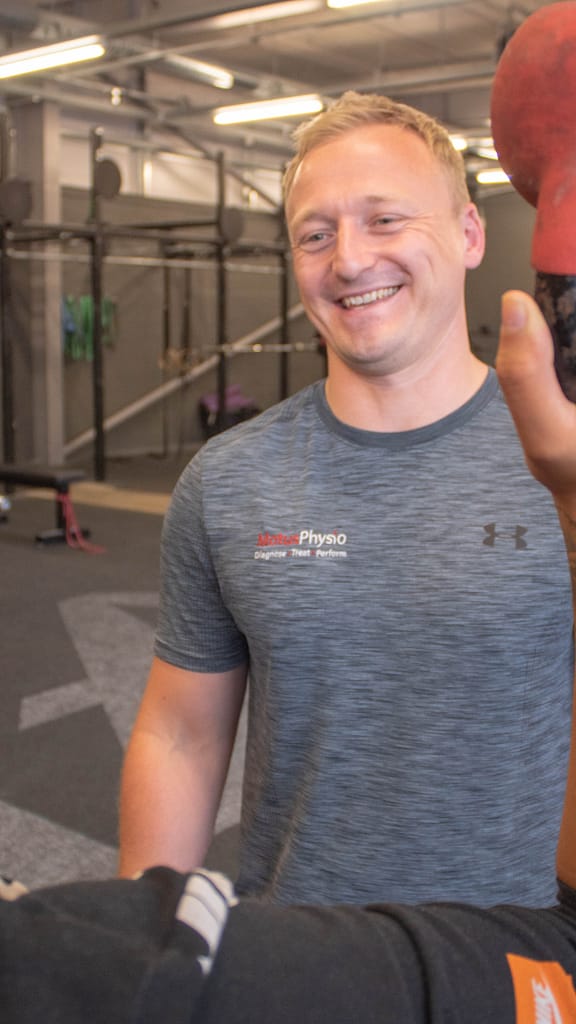
At Motus Physio
We provide two types of injection:
Hyaluronic Acid Injections: Used for joint pain, particularly in knee osteoarthritis, to improve lubrication and shock absorption within the joint. An excellent option for those looking to improve function and delay surgery. Cost – £400 including assessment.
Corticosteroid Injections: Used to reduce inflammation and pain in joints, bursae, or around tendons. Common conditions include osteoarthritis, frozen shoulder, bursitis, and trigger finger. Private Cortisone Injection Cost – £200 including assessment.
What we treat:
✅ Knee osteoarthritis
✅ Thumb/toe arthritis
✅ Trigger finger/thumb
✅ Hip bursitis
✅ Frozen shoulder
✅ Shoulder pain/bursitis
✅ Carpal tunnel syndrome (mild-moderate)
✅ Interdigital neuroma
✅ DeQuervain’s Tenosynovitis
✅ Tendon issues
What to expect
1.
Before any injection, we carry out a detailed assessment to understand your condition, confirm the diagnosis, and ensure injection therapy is appropriate. This includes a clinical examination and, where relevant, a review of any imaging or previous treatments.
2.
The injection is carried out using a clean, safe technique by a trained clinician. It typically takes just a few minutes and may include a local anaesthetic for added comfort. You’ll receive clear aftercare advice before leaving.
3.
Follow Up
Injection therapy is most effective when combined with a tailored rehabilitation plan. After your injection, we’ll guide you through a structured rehab programme to help restore strength, mobility, and confidence in the affected area.
Is it panful?
You should expect some discomfort from the needle penetrating the skin. Most people describe the injection as mildly uncomfortable rather than painful. The whole process is quick and well-tolerated and we aim to make it as painless as possible.
How soon will I feel the effects?
You may feel some relief within a few hours. The full effect usually begins within 48–72 hours and can continue to improve over 1–2 weeks.
How long do the effects last?
Relief can last from several weeks to several months, depending on your condition, activity level, type of injection administered and overall health. The goal is to reduce pain long enough to allow for effective rehabilitation.
Are there any risks or side effects?
As with any medical procedure, there are some risks — although serious side effects are rare. You may experience mild pain or bruising at the injection site. Occasionally, people report a temporary flare-up of pain (“steroid flare”) within 24–48 hours. We’ll talk you through potential risks during your consultation so you can make an informed decision.
Can I drive after the injection?
Yes, in most cases you can drive home after the procedure — especially if local anaesthetic has not affected your ability to move safely. If you’re unsure, we recommend arranging transport or discussing this during your appointment.
Will I need more than one injection?
This depends on the type of injection and presenting condition. Often, one injection is enough to allow progress with rehabilitation. In some cases, a second injection may be considered after a suitable interval. We always aim to use the lowest effective dose and avoid over-reliance on injections.
Do I need a scan before having an injection?
Not necessarily. In many cases, a clinical assessment is sufficient to determine if an injection is appropriate. However, if you have recent imaging (X-ray, ultrasound, MRI), it can be helpful to bring it with you. If further imaging is deemed necessary then we will discuss that at initial assessment.
Is this the same as having an injection on the NHS?
Yes, the medication used is the same — but at Motus Physio, there’s no long waiting list. You’ll be assessed and treated by an experienced clinician with specialist training in musculoskeletal injection therapy.
Can I return to normal activity straight away?
We usually recommend avoiding strenuous activity for 24–48 hours after the injection. After that, we’ll guide you back into normal activity and rehab based on your progress and goals.
How often can you have a steroid injection?
The frequency of steroid (corticosteroid) injections depends on several factors, including:
1. The Joint or Area Injected
- Large joints (like knees, hips, shoulders): Typically no more than 3–4 times per year.
- Small joints (like fingers or wrists): Sometimes less frequently—2–3 times per year is more common.
- Tendons or tendon sheaths: Usually only 1–2 injections in a given area, to avoid tendon weakening or rupture.
2. The Condition Being Treated
- Acute flare-ups (e.g. gout, bursitis): One-off injections may be sufficient.
- Chronic inflammatory conditions (e.g. osteoarthritis, rheumatoid arthritis): Repeated injections might be used with caution, spaced out by at least 3 months.
3. Risks of Frequent Injections
Repeated injections in the same site can lead to:
- Cartilage damage
- Tendon weakening or rupture
- Joint infection (rare but serious)
- Skin thinning or depigmentation
- Systemic steroid side effects (e.g. elevated blood sugar, mood changes)
4. General Best Practice Guidelines
Most clinical guidelines recommend:
- No more than 3–4 steroid injections per site per year
- At least 3 months between injections in the same joint
- Judicious use, especially in weight-bearing joints or where surgery may be considered